Abu Dhabi’s skyline is a testament to ambitious construction and infrastructure projects, many of which rely heavily on the lifting power of mobile cranes. For contractors and businesses navigating these demanding environments, selecting the correct mobile crane capacity is not just a technical detail; it is a critical decision impacting safety, efficiency, and project costs. This guide covers mobile cranes from 25 tons up to 250 tons, providing essential insights for informed rental choices in the UAE capital.
Choosing the right mobile crane capacity in Abu Dhabi, anywhere from 25 up to 250 tons, involves carefully matching the specific lifting requirements of a project, primarily the weight of the load, the required operating radius, and the lift height, against a crane’s detailed load chart. This ensures the crane can perform the lift safely and efficiently, without exceeding its structural limits or compromising site operations. Cranes in the 25 to 100 ton range cover most everyday lifts, from setting precast concrete elements and steel structures to installing HVAC units and handling general construction materials, while heavy mobile cranes above 100 tons, up to 250 tons, take on the larger and longer-reach lifts that mid-range machines cannot handle safely.
Demystifying Mobile Crane Capacity: What the Numbers Mean
When a mobile crane is rated, for example, as a ’50-ton crane’, this figure represents its *maximum lifting capacity* under ideal conditions, typically at a minimal radius and with specific counterweight and boom configurations. This is often referred to as its gross capacity. In practical applications on an Abu Dhabi construction site, the *actual net lifting capacity* will always be lower due to various factors. These include the operating radius (the horizontal distance from the crane’s centre of rotation to the centre of the load), the boom length, the use of jibs, the weight of the rigging gear, and environmental conditions like wind speed.
Understanding a crane’s load chart is paramount. This chart, provided by the manufacturer, details the crane’s safe lifting capabilities across different boom lengths, radii, and configurations. It is the definitive guide for any lift plan.
Types of Mobile Cranes for Abu Dhabi Projects (25-250 Ton)
Across the 25 to 250 ton range, several types of mobile cranes are commonly deployed across Abu Dhabi, each offering distinct advantages based on site conditions and operational needs.
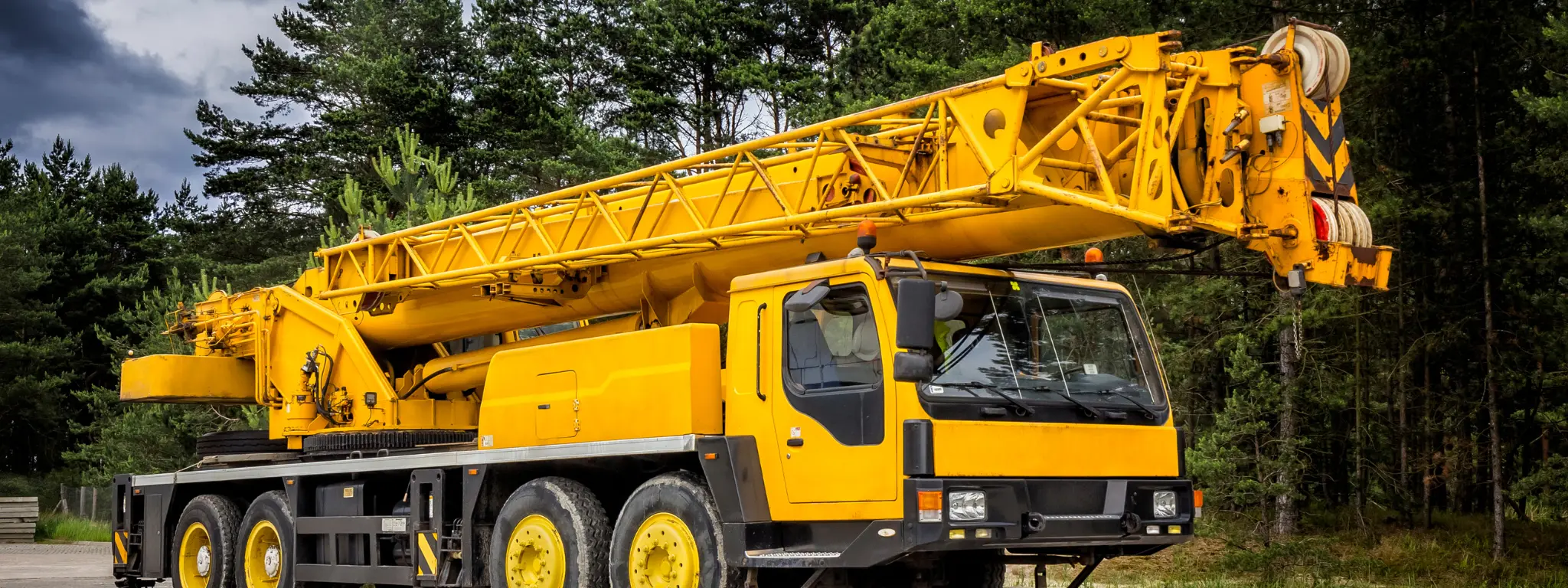
- All-Terrain Cranes: These highly versatile machines are road-legal and can travel at highway speeds between sites, making them ideal for projects requiring frequent relocation across Abu Dhabi’s diverse urban and desert landscapes. Once on site, their multi-axle steering and robust suspension systems allow them to navigate rough terrain effectively. They offer excellent lifting capabilities and reach across the full 25 to 250 ton range, and the larger all-terrain models are the usual choice for heavy lifts above 100 tons.
- Rough-Terrain Cranes: Designed specifically for off-road conditions, rough-terrain cranes excel on undeveloped construction sites, oil and gas fields, and infrastructure projects where stable ground is scarce. They feature robust chassis, large tires, and four-wheel drive/steer capabilities. While not as fast on public roads, their compact footprint and strong lifting performance make them indispensable for challenging, confined sites within the UAE.
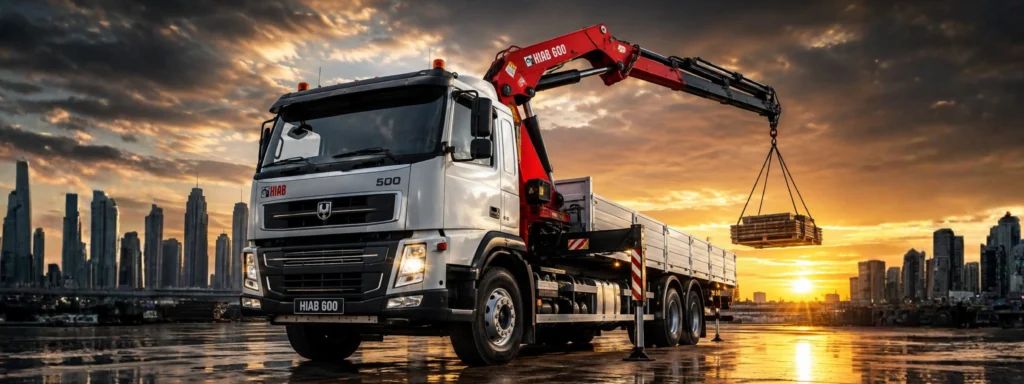
- Truck-Mounted Cranes (Hydraulic Truck Cranes): These cranes are mounted on a commercial truck chassis, offering excellent mobility and quick setup times. They are well-suited for general construction, utility work, and urban projects where rapid deployment and road travel are essential. Most truck-mounted models sit in the lower and middle capacities, providing a cost-effective solution for straightforward lifts, while heavier lifts are normally handled by all-terrain cranes. For specific smaller lifting needs, you might also consider a Boom Truck Hiab Crane Rental Abu Dhabi Guide.
Heavy Mobile Cranes Above 100 Tons (Up to 250 Ton)
Once a lift moves beyond 100 tons, or a lighter load has to be placed a long way from the crane, the job calls for a heavy mobile crane. Amirah Equipment Rental supplies mobile cranes up to 250 tons for these larger Abu Dhabi lifts.
Typical heavy lifts include:
- Tower crane erection and dismantling: lifting jib sections, counter-jibs and ballast blocks at height.
- Industrial and plant installations: heavy vessels, transformers, generators and process equipment on oil, gas and utility sites.
- Large precast and steel elements: bridge beams, long-span steel trusses and heavy precast units, often at long radius.
- Long-reach lifts: moderate loads placed far from the crane, where a smaller crane’s capacity drops too far at radius.
Heavy cranes need more planning than mid-range units:
- Counterweight transport: larger cranes often travel with their counterweight carried separately on additional trucks, so allow for extra vehicles and assembly time on site.
- Road movement permits: moving an oversized crane on public roads can require permits and escort arrangements, which adds lead time.
- Ground bearing pressure: outrigger loads rise sharply with capacity, so a ground assessment and engineered crane mats are usually part of the lift plan.
- Set-up space: heavy cranes need a larger footprint for outriggers, counterweight and boom assembly.
- Booking lead time: heavy cranes are in higher demand and take longer to mobilise, so book them early.
Critical Factors for Selecting Your Crane’s Capacity
Choosing the right crane capacity is a meticulous process that requires a thorough understanding of your project’s specific demands. Here are the key factors to evaluate:
1. Weight of the Load
This is the most fundamental factor. Always determine the *gross weight* of the load, which includes not only the item itself but also all rigging gear (slings, shackles, spreader bars, hooks). It is always safer to overestimate slightly than to underestimate. For a 50-ton crane, for example, if your heaviest lift is 40 tons, you might initially think it’s sufficient, but the next factors will determine if it truly is.
2. Operating Radius
The operating radius is the horizontal distance from the crane’s centre of rotation to the centre of the load. As the radius increases, the crane’s lifting capacity significantly decreases due to increased leverage. A crane that can lift 50 tons at a 3-meter radius might only be able to lift 10 tons at a 20-meter radius. Always calculate the maximum required radius for your furthest lift point.
3. Lift Height
How high does the load need to be lifted? This determines the necessary boom length. Extending the boom or using a jib also reduces the crane’s capacity. Ensure the chosen crane has sufficient main boom and jib length to reach the required height while maintaining adequate capacity for the load at that height and radius.
4. Site Conditions and Accessibility
Abu Dhabi construction sites vary greatly. Consider the following:
- Ground Stability: Is the ground firm enough to support the crane’s weight and the load? Soft ground requires extensive matting or larger outrigger pads, which can influence crane choice.
- Space Constraints: Is there enough room for the crane to set up, extend its outriggers fully, swing its boom, and manoeuvre safely? Tight spaces might necessitate a more compact rough-terrain crane or a crane with a smaller footprint.
- Obstructions: Are there overhead power lines, existing structures, trees, or underground utilities that could impede the lift or require specific crane positioning?
5. Wind Speed and Environmental Factors
The UAE experiences varying wind conditions, especially during certain seasons. High winds can significantly impact crane stability and safe lifting operations. Crane manufacturers provide guidelines for maximum permissible wind speeds during operation. Always factor this into your lift planning and consider a crane with a higher capacity than strictly necessary for static weight to provide a safety margin against wind forces.
6. Lift Plan and Safety Margins
A detailed lift plan is not optional; it is a regulatory requirement and a safety imperative in Abu Dhabi. It should outline every aspect of the lift, including crane selection, rigging, personnel, and emergency procedures. Always select a crane with a comfortable safety margin above your calculated maximum load and operating conditions. Overloading a crane is extremely dangerous and illegal.
The Strategic Advantage of Renting Mobile Cranes in Abu Dhabi
For most contractors and businesses in Abu Dhabi, renting mobile cranes, particularly for specific projects or varying needs, offers significant advantages over outright purchase. The capital investment for a 25 to 250 ton mobile crane is substantial, often running into millions of dirhams, not to mention ongoing costs.
- Cost Efficiency: Renting eliminates the need for large upfront capital expenditure, ongoing maintenance, storage facilities, and depreciation. You only pay for the equipment when you need it. To learn more about the financial benefits, read our guide on Equipment Rental Vs Buying Uae Cost Guide.
- Access to Modern Equipment: Rental companies like Amirah Equipment Rental regularly update their fleets, providing access to the latest, most efficient, and technologically advanced cranes that meet current safety and environmental standards.
- Flexibility: Projects evolve. Renting allows you to scale your equipment needs up or down as required, choosing different crane capacities for different phases of a project without being tied to a single asset.
- Maintenance and Support: Reputable rental providers handle all maintenance, repairs, and inspections, ensuring the equipment is always in top working condition. This reduces your operational burden and ensures compliance.
Navigating Regulations and Safety in Abu Dhabi
Operating heavy machinery like mobile cranes in Abu Dhabi is subject to strict regulations designed to ensure safety on construction sites and public areas. Key considerations include:
- Permits and Approvals: Depending on the project location and the crane’s movement or operation on public roads, permits from authorities like the Abu Dhabi Municipality (ADM) or the Department of Transport (DOT) may be required. These often involve submitting detailed lift plans, traffic management plans, and site assessments.
- Operator Certification: All crane operators must hold valid certifications and licenses issued by relevant UAE authorities, demonstrating their competence and adherence to safety protocols.
- Site-Specific Safety Plans: Each site must have a comprehensive safety plan, including risk assessments for crane operations, emergency procedures, and designated safety officers. The UAE’s official government portal provides comprehensive information on business regulations and safety standards, which can be found at u.ae.
Adhering to these regulations is crucial not only for safety but also to avoid penalties and project delays. A reliable rental partner can assist in ensuring compliance.
Partnering for Success: Your Mobile Crane Rental Solution
Choosing the right mobile crane capacity is a complex decision, but you don’t have to make it alone. Amirah Equipment Rental stands as a trusted partner for mobile crane rental in Abu Dhabi, offering mobile cranes from 25 tons up to 250 tons and comprehensive support services.
We understand the unique demands of Abu Dhabi’s construction landscape. Our team of experts provides professional guidance, helping you assess your project’s specific requirements to select the most suitable crane capacity, ensuring optimal performance and safety. Our fleet is meticulously maintained and regularly inspected to meet the highest safety standards, and all our operators are certified and highly experienced.
From detailed lift planning assistance to prompt delivery and on-site support, Amirah Equipment Rental is committed to delivering reliable and efficient solutions for your lifting needs. When your project demands precision, safety, and efficiency, trust Amirah Equipment Rental to provide the right mobile crane for the job.
Frequently Asked Questions about Mobile Crane Rental in Abu Dhabi
Q1: What information do I need to provide to rent the correct mobile crane capacity?
A: To ensure accurate crane selection, you should provide the maximum weight of the load (including rigging), the maximum required lift height, the maximum operating radius, details about the site conditions (ground stability, access, space constraints), and the duration of the rental. Site drawings and lift plans are also very helpful.
Q2: Are the mobile crane operators included in the rental cost?
A: Typically, mobile crane rental in Abu Dhabi includes a certified and experienced operator, as operating these machines requires specialised skills and licensing. It’s essential to confirm this with your rental provider to ensure full compliance and safe operation.
Q3: How far in advance should I book a mobile crane in Abu Dhabi?
A: It’s advisable to book your mobile crane as far in advance as possible, especially for heavy capacities above 100 tons, up to 250 tons, or during peak construction seasons in Abu Dhabi. Booking 1-2 weeks in advance is generally recommended to secure the specific crane you need and allow time for any necessary permits or site assessments, and heavy cranes may need more notice for road movement permits and counterweight transport.
Q4: What are the key safety considerations when operating a mobile crane on an Abu Dhabi site?
A: Key safety considerations include ensuring the crane is correctly set up on stable ground with outriggers fully extended, adhering strictly to the load chart, maintaining clear communication between the operator and signal person, implementing a comprehensive lift plan, and ensuring all personnel wear appropriate PPE. Regular inspections and adherence to UAE safety regulations are paramount.
Q5: What is the largest mobile crane you can supply in Abu Dhabi?
A: Amirah Equipment Rental supplies mobile cranes up to 250 tons. For lifts above 100 tons, share the load weight, radius, lift height and site access details so the right crane, counterweight and ground preparation can be planned.