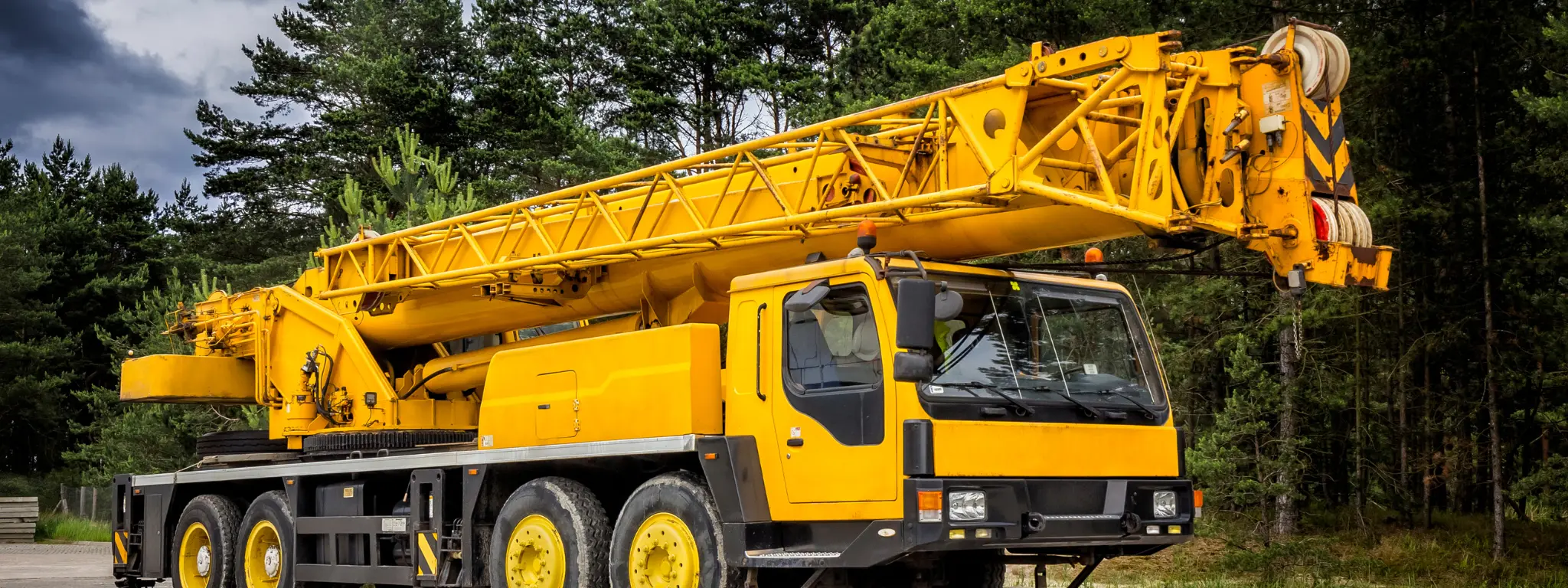
Abu Dhabi’s skyline is a testament to ambitious construction and infrastructure projects, many of which rely heavily on the lifting power of mobile cranes. For contractors and businesses navigating these demanding environments, selecting the correct mobile crane capacity is not just a technical detail; it is a critical decision impacting safety, efficiency, and project costs. This guide covers mobile cranes from 25 tons up to 250 tons, providing essential insights for informed rental choices in the UAE capital.

Choosing the right mobile crane capacity in Abu Dhabi, anywhere from 25 up to 250 tons, involves carefully matching the specific lifting requirements of a project, primarily the weight of the load, the required operating radius, and the lift height, against a crane’s detailed load chart. This ensures the crane can perform the lift safely and efficiently, without exceeding its structural limits or compromising site operations. Cranes in the 25 to 100 ton range cover most everyday lifts, from setting precast concrete elements and steel structures to installing HVAC units and handling general construction materials, while heavy mobile cranes above 100 tons, up to 250 tons, take on the larger and longer-reach lifts that mid-range machines cannot handle safely.

Demystifying Mobile Crane Capacity: What the Numbers Mean

When a mobile crane is rated, for example, as a ’50-ton crane’, this figure represents its *maximum lifting capacity* under ideal conditions, typically at a minimal radius and with specific counterweight and boom configurations. This is often referred to as its gross capacity. In practical applications on an Abu Dhabi construction site, the *actual net lifting capacity* will always be lower due to various factors. These include the operating radius (the horizontal distance from the crane’s centre of rotation to the centre of the load), the boom length, the use of jibs, the weight of the rigging gear, and environmental conditions like wind speed.

Understanding a crane’s load chart is paramount. This chart, provided by the manufacturer, details the crane’s safe lifting capabilities across different boom lengths, radii, and configurations. It is the definitive guide for any lift plan.

Types of Mobile Cranes for Abu Dhabi Projects (25-250 Ton)

Across the 25 to 250 ton range, several types of mobile cranes are commonly deployed across Abu Dhabi, each offering distinct advantages based on site conditions and operational needs.

  • All-Terrain Cranes: These highly versatile machines are road-legal and can travel at highway speeds between sites, making them ideal for projects requiring frequent relocation across Abu Dhabi’s diverse urban and desert landscapes. Once on site, their multi-axle steering and robust suspension systems allow them to navigate rough terrain effectively. They offer excellent lifting capabilities and reach across the full 25 to 250 ton range, and the larger all-terrain models are the usual choice for heavy lifts above 100 tons.
  • Rough-Terrain Cranes: Designed specifically for off-road conditions, rough-terrain cranes excel on undeveloped construction sites, oil and gas fields, and infrastructure projects where stable ground is scarce. They feature robust chassis, large tires, and four-wheel drive/steer capabilities. While not as fast on public roads, their compact footprint and strong lifting performance make them indispensable for challenging, confined sites within the UAE.
  • Truck-Mounted Cranes (Hydraulic Truck Cranes): These cranes are mounted on a commercial truck chassis, offering excellent mobility and quick setup times. They are well-suited for general construction, utility work, and urban projects where rapid deployment and road travel are essential. Most truck-mounted models sit in the lower and middle capacities, providing a cost-effective solution for straightforward lifts, while heavier lifts are normally handled by all-terrain cranes. For specific smaller lifting needs, you might also consider a Boom Truck Hiab Crane Rental Abu Dhabi Guide.

Heavy Mobile Cranes Above 100 Tons (Up to 250 Ton)

Once a lift moves beyond 100 tons, or a lighter load has to be placed a long way from the crane, the job calls for a heavy mobile crane. Amirah Equipment Rental supplies mobile cranes up to 250 tons for these larger Abu Dhabi lifts.

Typical heavy lifts include:

  • Tower crane erection and dismantling: lifting jib sections, counter-jibs and ballast blocks at height.
  • Industrial and plant installations: heavy vessels, transformers, generators and process equipment on oil, gas and utility sites.
  • Large precast and steel elements: bridge beams, long-span steel trusses and heavy precast units, often at long radius.
  • Long-reach lifts: moderate loads placed far from the crane, where a smaller crane’s capacity drops too far at radius.

Heavy cranes need more planning than mid-range units:

  • Counterweight transport: larger cranes often travel with their counterweight carried separately on additional trucks, so allow for extra vehicles and assembly time on site.
  • Road movement permits: moving an oversized crane on public roads can require permits and escort arrangements, which adds lead time.
  • Ground bearing pressure: outrigger loads rise sharply with capacity, so a ground assessment and engineered crane mats are usually part of the lift plan.
  • Set-up space: heavy cranes need a larger footprint for outriggers, counterweight and boom assembly.
  • Booking lead time: heavy cranes are in higher demand and take longer to mobilise, so book them early.

Critical Factors for Selecting Your Crane’s Capacity

Choosing the right crane capacity is a meticulous process that requires a thorough understanding of your project’s specific demands. Here are the key factors to evaluate:

1. Weight of the Load

This is the most fundamental factor. Always determine the *gross weight* of the load, which includes not only the item itself but also all rigging gear (slings, shackles, spreader bars, hooks). It is always safer to overestimate slightly than to underestimate. For a 50-ton crane, for example, if your heaviest lift is 40 tons, you might initially think it’s sufficient, but the next factors will determine if it truly is.

2. Operating Radius

The operating radius is the horizontal distance from the crane’s centre of rotation to the centre of the load. As the radius increases, the crane’s lifting capacity significantly decreases due to increased leverage. A crane that can lift 50 tons at a 3-meter radius might only be able to lift 10 tons at a 20-meter radius. Always calculate the maximum required radius for your furthest lift point.

3. Lift Height

How high does the load need to be lifted? This determines the necessary boom length. Extending the boom or using a jib also reduces the crane’s capacity. Ensure the chosen crane has sufficient main boom and jib length to reach the required height while maintaining adequate capacity for the load at that height and radius.

4. Site Conditions and Accessibility

Abu Dhabi construction sites vary greatly. Consider the following:

  • Ground Stability: Is the ground firm enough to support the crane’s weight and the load? Soft ground requires extensive matting or larger outrigger pads, which can influence crane choice.
  • Space Constraints: Is there enough room for the crane to set up, extend its outriggers fully, swing its boom, and manoeuvre safely? Tight spaces might necessitate a more compact rough-terrain crane or a crane with a smaller footprint.
  • Obstructions: Are there overhead power lines, existing structures, trees, or underground utilities that could impede the lift or require specific crane positioning?

5. Wind Speed and Environmental Factors

The UAE experiences varying wind conditions, especially during certain seasons. High winds can significantly impact crane stability and safe lifting operations. Crane manufacturers provide guidelines for maximum permissible wind speeds during operation. Always factor this into your lift planning and consider a crane with a higher capacity than strictly necessary for static weight to provide a safety margin against wind forces.

6. Lift Plan and Safety Margins

A detailed lift plan is not optional; it is a regulatory requirement and a safety imperative in Abu Dhabi. It should outline every aspect of the lift, including crane selection, rigging, personnel, and emergency procedures. Always select a crane with a comfortable safety margin above your calculated maximum load and operating conditions. Overloading a crane is extremely dangerous and illegal.

The Strategic Advantage of Renting Mobile Cranes in Abu Dhabi

For most contractors and businesses in Abu Dhabi, renting mobile cranes, particularly for specific projects or varying needs, offers significant advantages over outright purchase. The capital investment for a 25 to 250 ton mobile crane is substantial, often running into millions of dirhams, not to mention ongoing costs.

  • Cost Efficiency: Renting eliminates the need for large upfront capital expenditure, ongoing maintenance, storage facilities, and depreciation. You only pay for the equipment when you need it. To learn more about the financial benefits, read our guide on Equipment Rental Vs Buying Uae Cost Guide.
  • Access to Modern Equipment: Rental companies like Amirah Equipment Rental regularly update their fleets, providing access to the latest, most efficient, and technologically advanced cranes that meet current safety and environmental standards.
  • Flexibility: Projects evolve. Renting allows you to scale your equipment needs up or down as required, choosing different crane capacities for different phases of a project without being tied to a single asset.
  • Maintenance and Support: Reputable rental providers handle all maintenance, repairs, and inspections, ensuring the equipment is always in top working condition. This reduces your operational burden and ensures compliance.

Navigating Regulations and Safety in Abu Dhabi

Operating heavy machinery like mobile cranes in Abu Dhabi is subject to strict regulations designed to ensure safety on construction sites and public areas. Key considerations include:

  • Permits and Approvals: Depending on the project location and the crane’s movement or operation on public roads, permits from authorities like the Abu Dhabi Municipality (ADM) or the Department of Transport (DOT) may be required. These often involve submitting detailed lift plans, traffic management plans, and site assessments.
  • Operator Certification: All crane operators must hold valid certifications and licenses issued by relevant UAE authorities, demonstrating their competence and adherence to safety protocols.
  • Site-Specific Safety Plans: Each site must have a comprehensive safety plan, including risk assessments for crane operations, emergency procedures, and designated safety officers. The UAE’s official government portal provides comprehensive information on business regulations and safety standards, which can be found at u.ae.

Adhering to these regulations is crucial not only for safety but also to avoid penalties and project delays. A reliable rental partner can assist in ensuring compliance.

Partnering for Success: Your Mobile Crane Rental Solution

Choosing the right mobile crane capacity is a complex decision, but you don’t have to make it alone. Amirah Equipment Rental stands as a trusted partner for mobile crane rental in Abu Dhabi, offering mobile cranes from 25 tons up to 250 tons and comprehensive support services.

We understand the unique demands of Abu Dhabi’s construction landscape. Our team of experts provides professional guidance, helping you assess your project’s specific requirements to select the most suitable crane capacity, ensuring optimal performance and safety. Our fleet is meticulously maintained and regularly inspected to meet the highest safety standards, and all our operators are certified and highly experienced.

From detailed lift planning assistance to prompt delivery and on-site support, Amirah Equipment Rental is committed to delivering reliable and efficient solutions for your lifting needs. When your project demands precision, safety, and efficiency, trust Amirah Equipment Rental to provide the right mobile crane for the job.

Frequently Asked Questions about Mobile Crane Rental in Abu Dhabi

Q1: What information do I need to provide to rent the correct mobile crane capacity?

A: To ensure accurate crane selection, you should provide the maximum weight of the load (including rigging), the maximum required lift height, the maximum operating radius, details about the site conditions (ground stability, access, space constraints), and the duration of the rental. Site drawings and lift plans are also very helpful.

Q2: Are the mobile crane operators included in the rental cost?

A: Typically, mobile crane rental in Abu Dhabi includes a certified and experienced operator, as operating these machines requires specialised skills and licensing. It’s essential to confirm this with your rental provider to ensure full compliance and safe operation.

Q3: How far in advance should I book a mobile crane in Abu Dhabi?

A: It’s advisable to book your mobile crane as far in advance as possible, especially for heavy capacities above 100 tons, up to 250 tons, or during peak construction seasons in Abu Dhabi. Booking 1-2 weeks in advance is generally recommended to secure the specific crane you need and allow time for any necessary permits or site assessments, and heavy cranes may need more notice for road movement permits and counterweight transport.

Q4: What are the key safety considerations when operating a mobile crane on an Abu Dhabi site?

A: Key safety considerations include ensuring the crane is correctly set up on stable ground with outriggers fully extended, adhering strictly to the load chart, maintaining clear communication between the operator and signal person, implementing a comprehensive lift plan, and ensuring all personnel wear appropriate PPE. Regular inspections and adherence to UAE safety regulations are paramount.

Q5: What is the largest mobile crane you can supply in Abu Dhabi?

A: Amirah Equipment Rental supplies mobile cranes up to 250 tons. For lifts above 100 tons, share the load weight, radius, lift height and site access details so the right crane, counterweight and ground preparation can be planned.
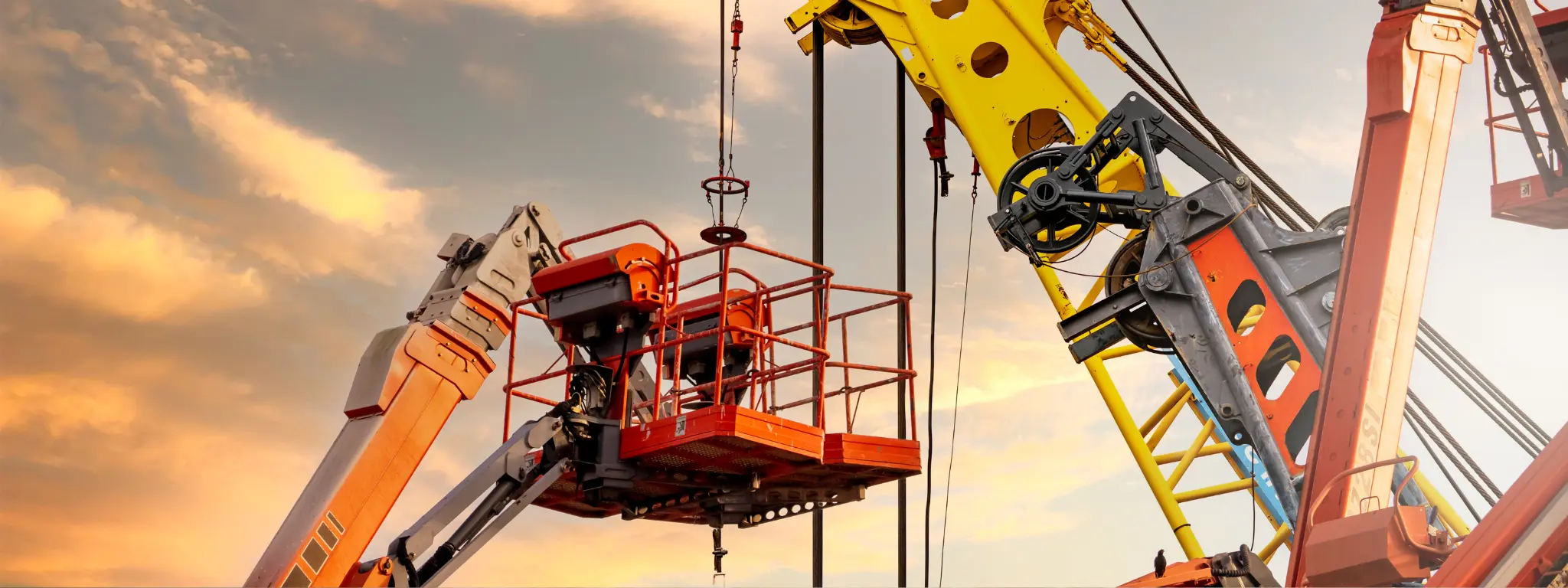
In Abu Dhabi’s dynamic construction landscape, selecting the right telehandler is crucial for efficiency and safety. For projects requiring vertical reach and material handling, 12-meter telehandlers are the most compact option, typically lifting around 3,000 kg to 4,000 kg with a forward reach of about 8 to 9 meters, suited to low-rise work and tighter sites. 14-meter telehandlers typically offer lift capacities ranging from 3,500 kg to 4,000 kg with a maximum outreach of around 9-10 meters, making them ideal for mid-rise tasks and general site duties. In contrast, 17-meter telehandlers provide superior height and often higher lift capacities, typically 4,000 kg to 5,000 kg, with outreaches extending up to 12-13 meters, suited for multi-story buildings and larger, more demanding sites.

What is a Telehandler and Why is it Essential in Abu Dhabi?

A telehandler, short for telescopic handler, is a versatile piece of equipment commonly used on construction sites across Abu Dhabi and the wider UAE. It combines the functions of a crane, a forklift, and a work platform, all in one machine. Equipped with a telescopic boom that can extend both upwards and forwards, telehandlers are indispensable for lifting, moving, and placing materials at height or across obstacles. From loading and unloading trucks to transporting pallets of blocks, steel, or sand, and even providing access for personnel with a work platform attachment, telehandlers are a cornerstone of modern construction.

Given Abu Dhabi’s continuous development of high-rise buildings, extensive infrastructure projects, and industrial facilities, the demand for efficient material handling solutions is consistently high. Telehandlers offer the flexibility and reach needed to keep projects on schedule and within budget, reducing the need for multiple specialized machines.

Understanding Telehandler Reach, Lift Capacity, and Weight

When considering a telehandler rental in Abu Dhabi, three primary specifications dictate the machine’s suitability for your project: reach, lift capacity, and operating weight. Understanding these helps you match the equipment to the task, ensuring both safety and productivity.

  • Reach: This refers to the maximum horizontal and vertical distance the boom can extend. Vertical reach is critical for lifting materials to higher floors, while horizontal reach allows you to place items over obstacles or into tight spaces.
  • Lift Capacity: This is the maximum weight a telehandler can safely lift. It is important to note that a telehandler’s lift capacity decreases as the boom extends further horizontally (outreach) or vertically. Always refer to the load chart for precise capabilities at different boom angles and extensions.
  • Operating Weight: The total weight of the machine itself. This is important for transport logistics and for assessing ground bearing pressure on your site, especially on softer terrain.

Modern telehandlers are also equipped with advanced safety features, including load management systems, stability indicators, and anti-tipping mechanisms, all designed to prevent accidents and ensure compliance with UAE safety standards.

12m Telehandlers: Compact Reach for Low-Rise and Tight Sites

The 12-meter telehandler is the most compact of the three sizes. When the work sits on the lower floors or the site is tight, it delivers the reach you need without the footprint, weight and cost of a larger machine.

Key Specifications and Capabilities

A typical 12-meter class telehandler offers:

  • Maximum Lift Height: Approximately 12 to 12.5 meters
  • Maximum Lift Capacity: Approximately 3,000 kg to 4,000 kg (at minimum reach)
  • Maximum Forward Reach: Approximately 8 to 9 meters
  • Operating Weight: Approximately 9,000 kg to 11,000 kg

Ideal Applications for 12m Telehandlers in Abu Dhabi

  • Villas and Low-Rise Buildings: Lifting blocks, cement bags, rebar and timber to the first and second floors.
  • Tight Urban Plots: Working in confined compounds and narrow access routes where a larger machine cannot manoeuvre.
  • Fit-Out and Finishing Logistics: Moving palletised finishing materials from delivery trucks to the building.
  • Landscaping and Utility Work: Placing pipes, precast items and landscaping materials across uneven ground.
  • Yards and Industrial Sites: General loading, unloading and stacking where 14m of height is not needed.

Choosing a 12m telehandler when the job does not need extra height keeps ground bearing pressure and transport requirements lower, and usually costs less to hire.

14m Telehandlers: Versatility for Mid-Range Projects

The 14-meter telehandler is a popular choice for a wide array of construction and industrial applications in Abu Dhabi. Its balance of reach, lift capacity, and maneuverability makes it highly versatile for many common tasks.

Key Specifications and Capabilities

A typical 14-meter telehandler, such as a JCB 535-140 or a Manitou MT 1440, offers:

  • Maximum Lift Height: 13.8 to 14 meters
  • Maximum Lift Capacity: 3,500 kg to 4,000 kg (at minimum reach)
  • Maximum Forward Reach: 9 to 10 meters
  • Operating Weight: Approximately 10,000 kg to 12,000 kg

Ideal Applications for 14m Telehandlers in Abu Dhabi

  • Residential and Commercial Building Construction: Lifting palettes of bricks, blocks, cement bags, and timber to the third or fourth floor of a building.
  • Material Loading and Unloading: Efficiently moving materials from delivery trucks to storage areas or directly to the work zone.
  • Roofing and Scaffolding Support: Supplying materials to roofers or assisting with the erection and dismantling of scaffolding.
  • General Site Maintenance: Transporting tools, equipment, and waste around a construction site.
  • Warehouse and Logistics: Handling heavy loads in large storage facilities, although less common than dedicated forklifts due to their size.

Its relatively compact footprint compared to larger models allows for better maneuverability on crowded sites, making it a go-to machine for many Abu Dhabi contractors.

17m Telehandlers: Enhanced Reach for Demanding Projects

When your project demands greater height and outreach, the 17-meter telehandler steps in. These machines are designed for more substantial tasks, particularly on multi-story developments common across Abu Dhabi.

Key Specifications and Capabilities

A typical 17-meter telehandler, such as a JCB 540-170 or a Manitou MT 1740, provides:

  • Maximum Lift Height: 16.7 to 17 meters
  • Maximum Lift Capacity: 4,000 kg to 5,000 kg (at minimum reach)
  • Maximum Forward Reach: 12 to 13 meters
  • Operating Weight: Approximately 12,000 kg to 14,000 kg

Ideal Applications for 17m Telehandlers in Abu Dhabi

  • High-Rise Construction: Lifting heavy materials like concrete panels, large glass panes, or structural steel to higher floors of multi-story buildings.
  • Infrastructure Projects: Handling pipes, beams, and other large components for bridges, flyovers, or utility installations.
  • Façade Work: Positioning façade elements or providing access for workers carrying out exterior finishing at significant heights.
  • Oil and Gas Sector: On larger industrial sites, these telehandlers can be crucial for moving heavy components or supporting maintenance tasks, often requiring adherence to specific site safety protocols like those for ADNOC sites, which may necessitate a CICPA Pass Equipment Rental ADNOC Sites Guide.

The extended reach of a 17m telehandler significantly reduces the need for repositioning the machine, saving time and increasing overall site efficiency, especially on sprawling project sites.

12m vs 14m vs 17m Telehandlers at a Glance

  • 12m telehandler: Lift height about 12 to 12.5 m, capacity about 3,000 to 4,000 kg, forward reach about 8 to 9 m. Best for low-rise buildings, villas and tight sites.
  • 14m telehandler: Lift height 13.8 to 14 m, capacity 3,500 to 4,000 kg, forward reach 9 to 10 m. Best for mid-rise buildings and general site duties.
  • 17m telehandler: Lift height 16.7 to 17 m, capacity 4,000 to 5,000 kg, forward reach 12 to 13 m. Best for multi-story buildings, façade work and larger sites.

Always confirm the exact figures against the load chart of the specific machine supplied, as capacity falls as the boom extends. You can see our available reach heights on the telescopic boom loader rental page.

Choosing the Right Telehandler for Your Abu Dhabi Project

Making the correct choice between a 12m, 14m and 17m telehandler, or any other size, involves careful consideration of several project-specific factors. Renting the right equipment is often more cost-effective than purchasing, as detailed in our Equipment Rental Vs Buying UAE Cost Guide.

Key Considerations:

  1. Maximum Required Lift Height and Reach: Accurately measure the highest point materials need to reach and the furthest horizontal distance they must cover. Always add a safety margin.
  2. Weight of Materials: Determine the heaviest load you will need to lift. Remember that capacity decreases with increased reach.
  3. Site Conditions: Assess the terrain, available space for maneuverability, and ground stability. Larger machines require more operating room and stable ground.
  4. Operator Expertise: Ensure your operators are certified and experienced with the specific telehandler model. In the UAE, operator certification is mandatory and regulated by authorities like the Ministry of Energy and Infrastructure. For more details on safe operations, refer to official guidelines from the UAE Ministry of Energy and Infrastructure.
  5. Attachments: Consider what attachments you might need (forks, buckets, work platforms, winches) as these can influence the machine’s overall performance and suitability.
  6. Rental Duration: For short-term projects, rental is almost always the more economical choice. Construction Equipment Rental UAE Costs Types How To Choose provides further insights.

Safety and Regulations for Telehandler Operation in UAE

Operating heavy machinery in the UAE, especially in a bustling emirate like Abu Dhabi, is subject to stringent safety regulations to protect workers and the public. Compliance is not just good practice; it’s a legal requirement.

  • Operator Certification: All telehandler operators must hold valid certification from an accredited training provider in the UAE. This typically involves both theoretical knowledge and practical assessment.
  • Daily Inspections: Before each shift, a thorough pre-operational check of the telehandler is mandatory. This includes checking fluids, tires, lights, brakes, and safety systems.
  • Load Charts: Operators must strictly adhere to the load chart provided by the manufacturer, which details safe lifting capacities at various boom extensions and angles.
  • Site-Specific Risk Assessment: A comprehensive risk assessment must be conducted for every site and specific lifting operation, identifying potential hazards and implementing control measures.
  • Working at Height Regulations: When using a telehandler with a work platform attachment, all relevant working at height regulations must be followed, including fall protection measures and rescue plans.
  • Third-Party Inspection: Regular third-party inspections and certifications of heavy equipment are often required by local authorities to ensure machines meet safety standards.

Amirah Equipment Rental ensures all our telehandlers are regularly serviced, maintained to the highest standards, and comply with all UAE safety regulations, giving you peace of mind on your project.

Why Choose Amirah Equipment Rental for Your Telehandler Needs in Abu Dhabi?

Amirah Equipment Rental stands as a trusted partner for contractors and businesses seeking reliable heavy equipment in Abu Dhabi and across the UAE. Our extensive fleet of modern telehandlers, including 12m, 14m and 17m models, is meticulously maintained and ready for immediate deployment to your project site.

We understand the unique demands of the UAE construction market. Our team of experts can help you assess your project requirements and recommend the most suitable telehandler, ensuring you get the right machine for the job, every time. We offer flexible rental terms, competitive pricing, and unparalleled customer service, making your equipment rental experience smooth and hassle-free.

With Amirah Equipment Rental, you gain access to high-quality, safe, and efficient machinery backed by dedicated support. Contact us today to discuss your telehandler rental needs in Abu Dhabi or explore our full range of construction plant on our blog.

Frequently Asked Questions About Telehandler Rental in Abu Dhabi

Q1: What is the average daily rental cost for a telehandler in Abu Dhabi?

A1: The daily rental cost for a telehandler in Abu Dhabi varies significantly based on the machine’s size (e.g., 12m, 14m or 17m), lift capacity, brand, age, and the rental duration. Generally, you can expect daily rates to start from AED 700-1,200 for smaller models and go up to AED 1,500-2,500 or more for larger, specialized telehandlers, often including an operator. Long-term rentals typically offer more economical rates.

Q2: Do I need a special license to operate a telehandler in Abu Dhabi?

A2: Yes, absolutely. To operate a telehandler legally and safely in Abu Dhabi and the wider UAE, you must possess a valid heavy equipment operator’s license or certification issued by an accredited training authority. This ensures operators have the necessary skills and knowledge to handle the machinery responsibly and adhere to safety protocols.

Q3: What is the typical lead time for renting a telehandler in Abu Dhabi?

A3: Lead times can vary depending on demand and the specific telehandler model you require. For common models like 12m, 14m or 17m telehandlers, Amirah Equipment Rental can often arrange delivery within 24-48 hours, sometimes even on the same day for urgent needs. However, for specialized equipment or during peak construction seasons, it’s advisable to book at least a few days in advance to ensure availability.

Q4: Can telehandlers be used for personnel lifting in Abu Dhabi?

A4: Yes, telehandlers can be fitted with approved work platform (man basket) attachments for personnel lifting. However, strict safety regulations apply. The telehandler must be designed for this purpose, the work platform must be certified, and operators must be specifically trained for personnel lifting operations. All relevant fall protection and safety protocols must be rigorously followed, as per UAE health and safety guidelines. It is crucial to confirm with your rental provider that the telehandler and attachment are certified for personnel lifting.

Q5: Which telehandler sizes can I rent from Amirah Equipment Rental in Abu Dhabi?

A5: Amirah Equipment Rental supplies 12m, 14m and 17m telehandlers. The 12m suits low-rise work and tight sites, the 14m covers most mid-rise and general site duties, and the 17m handles higher floors and longer outreach.

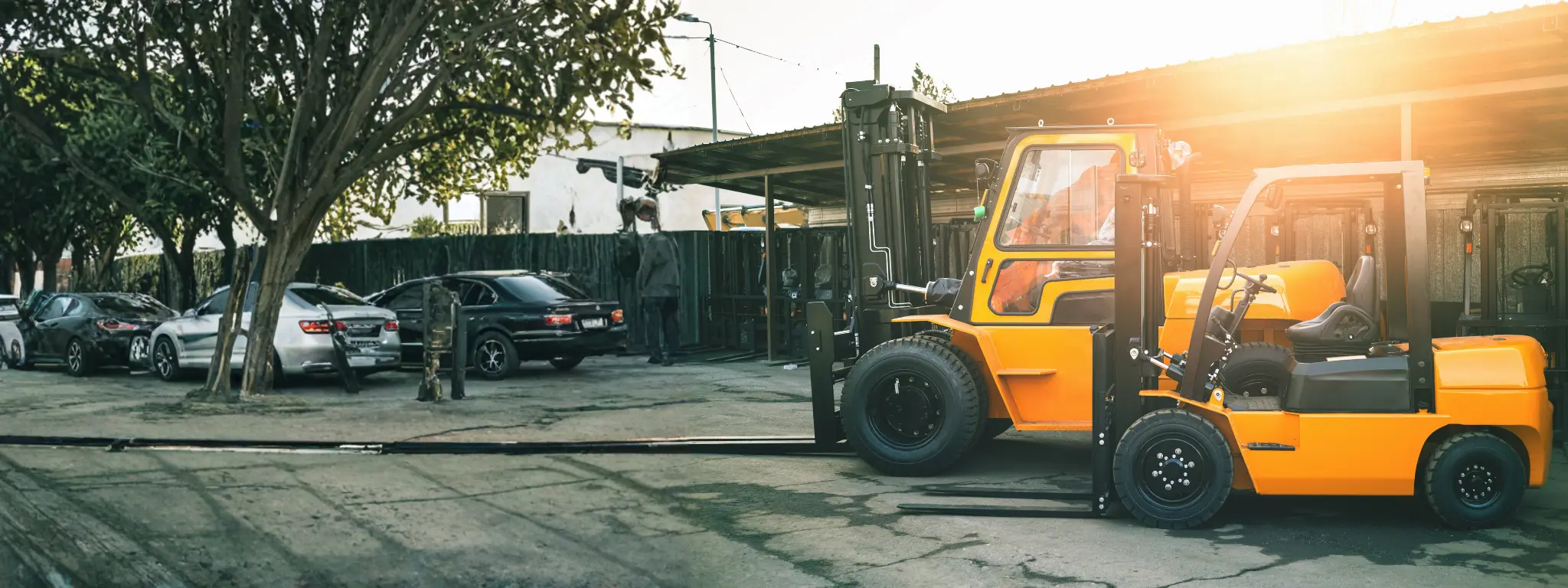
For construction, logistics, and industrial projects across Abu Dhabi, selecting the correct forklift capacity is crucial for operational efficiency and safety. Forklifts ranging from 3 to 16 tons are the backbone of material handling in the emirate, facilitating tasks from stacking pallets in warehouses to moving heavy components on large construction sites. Renting these versatile machines offers significant cost savings and flexibility, allowing businesses to adapt quickly to project demands without the burden of ownership.

Why Forklift Rental is Essential for Abu Dhabi Projects

Abu Dhabi’s dynamic construction and industrial landscape demands flexible equipment solutions. Renting forklifts provides numerous advantages over purchasing, particularly for projects with varying durations or specific lifting requirements. It eliminates the substantial upfront capital outlay, depreciation costs, and the ongoing expenses of maintenance, storage, and insurance. For businesses in the UAE, this approach preserves capital, improves cash flow, and allows for greater agility in resource allocation.

Consider a scenario where a contractor needs a 7-ton forklift for a three-month project at Masdar City. Buying such a machine would tie up significant funds and require long-term commitment. Renting, however, allows them to acquire the precise equipment for the required period, returning it once the job is complete. This strategy is particularly effective in a fast-paced market like Abu Dhabi, where project scopes and timelines can shift. To learn more about the financial benefits, read our guide on Equipment Rental Vs Buying UAE Cost Guide.

Understanding Forklift Capacities: 3 to 16 Ton Range

The 3 to 16 ton range covers a broad spectrum of material handling needs, from standard warehouse operations to heavy industrial lifting. Each capacity segment offers distinct advantages, making the right choice dependent on your specific project requirements.

3-5 Ton Forklifts: The Workhorses of General Construction

Forklifts in the 3 to 5-ton capacity are the most commonly rented machines in Abu Dhabi for general material handling. They are highly versatile and suitable for a wide array of applications. These machines excel in tasks such as:

  • Warehousing and Logistics: Moving palletized goods, stacking, and loading/unloading trucks.
  • Light Construction Sites: Transporting bricks, cement bags, scaffolding, and smaller pre-fabricated components.
  • Retail and Commercial Projects: Handling deliveries and moving display materials.
  • Manufacturing Facilities: Shifting raw materials and finished products within factories.

Their compact size and maneuverability make them ideal for navigating tighter spaces, while still offering substantial lifting power. Most 3-5 ton models are equipped with pneumatic tires for both indoor and outdoor use on relatively even surfaces.

6-8 Ton Forklifts: Balancing Power and Versatility

When your project demands more lifting power than a standard 5-ton forklift but doesn’t require extreme heavy-duty capabilities, the 6 to 8-ton range steps in. These machines offer a robust solution for medium-to-heavy lifting tasks, providing an excellent balance of strength and operational flexibility. Common applications include:

  • Medium-Scale Construction: Handling larger pre-cast concrete sections, steel beams, or heavy machinery parts.
  • Port and Freight Operations: Moving larger containers or crated goods within smaller port facilities or cargo yards.
  • Heavy Manufacturing: Relocating substantial components and machinery in industrial settings.
  • Oil and Gas Support: Handling pipes, valves, and equipment in non-hazardous zones, often requiring specific safety certifications.

These forklifts are built for tougher conditions and can often be fitted with various attachments to enhance their utility, such as specialized clamps or longer forks.

9-10 Ton Forklifts: Heavy Lifting for Industrial and Large-Scale Sites

9 to 10-ton forklifts are designed for demanding heavy lifting applications. These powerful machines are indispensable for large-scale industrial projects, major construction sites, and heavy logistics operations where significant loads must be moved safely and efficiently. Their primary uses include:

  • Large Construction Projects: Lifting substantial structural elements, heavy machinery, and large volumes of materials on major infrastructure developments.
  • Pre-Cast Yards: Handling heavy concrete slabs, beams, and columns.
  • Shipyards and Ports: Moving large marine components, heavy cargo, and containers.
  • Heavy Industry: Managing large dies, molds, and raw materials in steel mills, foundries, and heavy equipment manufacturing.

Operating these larger machines requires experienced and certified operators, and careful planning of the work area due to their size and weight. They typically come with powerful diesel engines, designed for continuous heavy-duty work.

11-16 Ton Forklifts: Containers and the Heaviest Loads

At the top of the range, heavy forklifts from 11 up to 16 tons handle loads that are beyond a 10-ton machine, without the set-up time of a crane. Amirah Equipment Rental supplies forklifts up to 16 tons for these heavy handling jobs. Typical uses include:

  • Container and Port Yards: Moving loaded containers, heavy crates and large cargo within yards and laydown areas.
  • Steel and Pipe Handling: Lifting long steel sections, coils and pipe bundles on industrial and oil and gas support sites.
  • Heavy Precast and Machinery: Relocating large precast elements, generators and heavy plant components.

Heavy forklifts are larger and heavier machines, so plan for firm, level ground that can take their axle loads, wide travel routes and turning space, and longer forks or attachments matched to the load. As with any heavy machine, they should be run by experienced, certified operators.

Key Factors When Choosing Your Forklift in Abu Dhabi

Selecting the right forklift involves more than just capacity. Consider these critical factors specific to your project in Abu Dhabi:

  • Lifting Capacity and Height: Clearly define the maximum weight you need to lift and the maximum height it needs to reach. Always factor in a safety margin.
  • Site Conditions: Is the work primarily indoors or outdoors? What is the terrain like, smooth concrete, rough unpaved ground, or a mix? This determines tire type (pneumatic, solid, cushion) and ground clearance needed.
  • Fuel Type:
  • Diesel Forklifts: Powerful, excellent for outdoor, heavy-duty work. Commonly used on construction sites in Abu Dhabi due to their robust performance and availability of fuel.
  • Electric Forklifts: Ideal for indoor use, warehouses, and areas requiring low noise and zero emissions. Require charging infrastructure.
  • LPG Forklifts: A good compromise for indoor/outdoor use, offering lower emissions than diesel but still requiring ventilation.
  • Attachments: Do you need standard forks, or will you require specialized attachments like fork extensions, rotators, side shifters, or clamps for specific loads?
  • Operator Licensing and Safety: In the UAE, forklift operators must hold valid licenses and undergo safety training. Ensure your chosen rental company provides well-maintained machines that comply with local safety standards. The Ministry of Human Resources & Emiratisation (MoHRE) sets out comprehensive occupational safety and health standards for workplaces across the UAE, which includes the safe operation of machinery. You can find more information on these standards on the MoHRE website.

Navigating Rental Agreements and UAE Regulations

When renting a forklift in Abu Dhabi, understanding the rental agreement and adhering to local regulations is paramount. Key considerations include:

  • Rental Duration and Terms: Clarify the rental period, extension options, and any early termination clauses. Daily, weekly, and monthly rates vary significantly.
  • Maintenance and Servicing: Most reputable rental companies, like Amirah Equipment Rental, include routine maintenance and breakdown support in their agreements. Understand your responsibilities regarding daily checks and minor upkeep.
  • Insurance: Ensure adequate insurance coverage for the equipment against damage, theft, and third-party liability. Clarify who is responsible for what.
  • UAE VAT (Value Added Tax): As per Federal Tax Authority (FTA) regulations, a 5% VAT applies to equipment rental services in the UAE. Ensure your rental quote clearly itemizes VAT charges.
  • Site-Specific Requirements: For projects within ADNOC facilities or other critical infrastructure sites, specific passes like the CICPA Pass are often mandatory for personnel and equipment. Ensure your rental provider is familiar with these requirements. For details, refer to our CICPA Pass Equipment Rental ADNOC Sites Guide.

Maximising Efficiency with the Right Rental Partner in Abu Dhabi

Choosing the right equipment rental partner in Abu Dhabi is as important as selecting the right forklift. An experienced and reliable provider offers more than just machinery; they provide expertise, support, and peace of mind.

Look for a partner with:

  • A Diverse and Modern Fleet: Access to a wide range of well-maintained 3 to 16-ton forklifts ensures you always get the exact machine for your job.
  • Prompt Delivery and Support: Timely delivery and immediate technical support are crucial to avoid project delays.
  • Expert Advice: A knowledgeable team can help you assess your needs and recommend the most suitable and cost-effective forklift solution.
  • Compliance and Safety Focus: A commitment to safety standards and full compliance with UAE regulations for equipment and operators.

Amirah Equipment Rental prides itself on being a leading provider of heavy equipment and machinery rental services across the UAE, with a strong focus on Abu Dhabi. Our extensive fleet of modern, meticulously maintained forklifts, ranging from 3 to 16 tons, is ready to meet the diverse demands of your construction, industrial, and logistics projects. We understand the unique challenges of operating in Abu Dhabi and are dedicated to providing reliable equipment, expert advice, and exceptional service to ensure your operations run smoothly and efficiently. We invite you to contact us to discuss your specific forklift rental needs.

Frequently Asked Questions About Forklift Rental in Abu Dhabi

Q1: What types of forklifts are available for rent in the 3-16 ton range in Abu Dhabi? A1: In the 3-16 ton range, you can typically rent a variety of counterbalanced forklifts powered by diesel, electric, or LPG. Diesel models are common for outdoor heavy-duty construction and industrial sites, while electric and LPG options are often chosen for indoor warehouse operations or areas requiring lower emissions.

Q2: Do I need a special license to operate a rented forklift in the UAE? A2: Yes, in the UAE, all forklift operators must possess a valid heavy vehicle driving license issued by the relevant traffic authorities (e.g., Abu Dhabi Police Traffic and Patrols Directorate) and undergo specific safety training. Rental companies will verify operator credentials to ensure compliance with local regulations.

Q3: What is typically included in a forklift rental agreement in Abu Dhabi? A3: A standard rental agreement usually includes the use of the forklift for a specified period, routine maintenance, and breakdown support. Fuel, operator wages, and insurance are generally separate, though some agreements may offer optional add-ons. Always clarify the inclusions and exclusions before signing.

Q4: How does VAT apply to forklift rental costs in the UAE? A4: As per Federal Tax Authority (FTA) regulations, a 5% Value Added Tax (VAT) is applied to all equipment rental services in the UAE, including forklift rentals. This tax will be added to the rental charges and must be paid to the rental company.

Q5: What is the largest forklift you can supply in Abu Dhabi? A5: Amirah Equipment Rental supplies forklifts up to 16 tons. For heavy loads, share the load weight and dimensions, lift height and ground conditions so the right machine and attachments can be matched to the job.

Conclusion

Choosing the right forklift for your project in Abu Dhabi is a critical decision that impacts efficiency, safety, and your bottom line. By carefully considering capacity, site conditions, fuel type, and regulatory compliance, you can ensure optimal performance. Partnering with a trusted and experienced equipment rental company like Amirah Equipment Rental provides access to a diverse fleet and expert support, making your forklift rental experience seamless and productive. Focus on your project’s success, and let us handle your heavy lifting needs.

© 2026, All Rights Reserved, Amirah Equipment Rental. Privacy Policy  ·  Terms  ·  Cookies